Reducing Toy Clutter: Strategies for Quality Play
Children, like adults, can experience attention deficit when surrounded by clutter or an excess of toys. The constant exposure to new, trendy toys and persuasive advertising can make it challenging to limit purchases. However, practicing conscious toy shopping and offering suggestions to friends and family can empower children to use creativity and imagination during play.
Strategies for Minimizing Toy Clutter
- Take Inventory: Begin by reviewing your child’s collection of toys. Remove items that are outgrown or incomplete to create a more manageable selection.
- Limit Excess: When birthdays or holidays result in an influx of new toys, store at least half to prevent overwhelming your child and maintain balance.
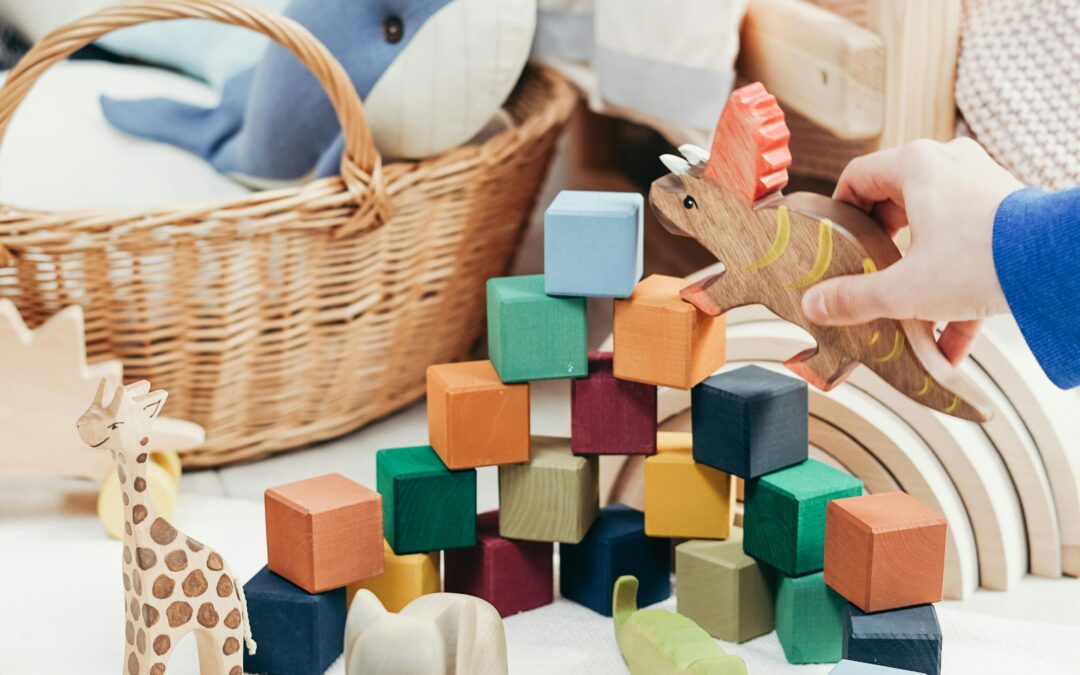
- Highlight Creative Toys: Display toys that promote imagination and creativity, such as puzzles, blocks, art supplies, or outdoor activities.
- Organize Play Spaces: Assign specific areas, such as bins or shelves, for play and toy storage. If toys exceed the designated space, remove some to keep the area organized and controlled.
- Engage Children in Decisions: Involve your children in the process of removing toys. Apply the one-in/one-out rule and teach them the positive impact of donating excess toys to others.
- Coordinate Toy Exchanges: Connect with other parents to organize toy exchanges among children of the same age group. This fosters social interaction, creativity, and sharing.
Benefits of Decluttering Toys
Decluttering toys does not deprive children. Instead, it encourages creativity, deeper focus, and longer play periods. With fewer toys, children can organize and clean up more efficiently. Less stimulation also promotes intentional, meaningful, and engaging play, supporting long-term focus. When boredom arises, children’s imagination is given space to flourish.


Recent Comments